
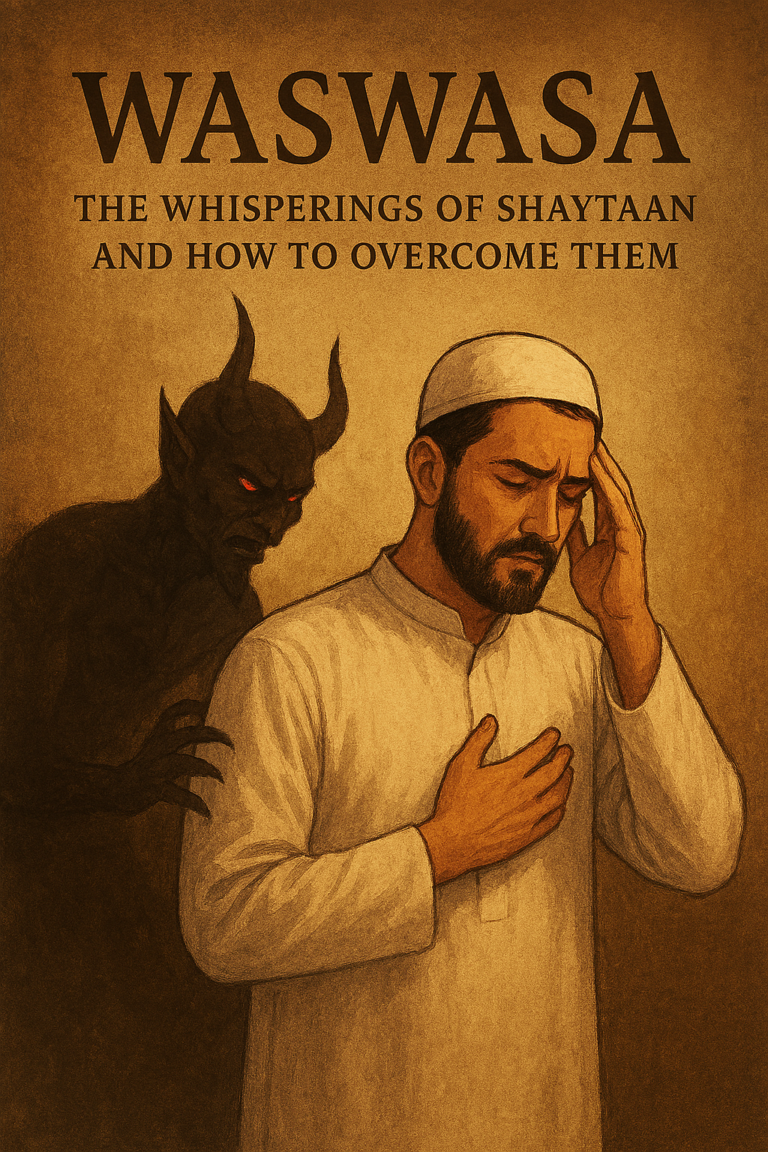
You may already feel sudden doubts or uneasy thoughts during prayer or while practicing your faith. Waswasa are whisperings from Shaytaan that aim to sow doubt, disturb your worship, and pull your beliefs off course, and you can learn clear, practical steps to notice and fight them.
This article shows where waswasa comes from, how it affects your faith and daily acts of worship, and what simple habits and remedies help you push those whispers away. Follow along to spot the signs early, protect your heart, and keep your worship focused and calm.
Understanding Waswasa and Its Origins
Waswasa describes subtle, intrusive thoughts that disturb your belief, worship, or daily peace. These whispers can come from internal urges or from an external enemy aiming to break your confidence and obedience to Allah.
Definition and Meaning of Waswasa
Waswasa (وساوس) literally means whisperings or insinuating thoughts.
You experience it as sudden doubts, repetitive worries, or mental images that push you away from clear belief or right action.
Scholars use the Arabic forms waswas, waswasah, and wasāwis to describe the same phenomenon.
Waswasa differs from normal worry because it targets faith and worship.
It often focuses on ritual purity, prayer, or belief—making you doubt intentions (niyyah) or the validity of acts like wudhu and salaah.
Ibn al-Qayyim and other classical scholars treated it as a real spiritual illness that needs practical remedies.
The Role of Shaytaan in Creating Doubt
Shaytaan (Satan, shaitan, shaytan) aims to weaken your relationship with Allah by planting these whispers.
He seeks to create confusion about core matters of aqeedah and to spoil acts of ibadah by making you obsess over minor details.
The Quran names this action as “waswasa” and warns that the whisperer recoils when Allah is mentioned.
Islamic sources explain three main origins of whispers: the nafs (self), shaytaan, and external causes; when shaytaan is involved, the goal is spiritual derailment.
You counter this by remembering Allah, seeking refuge (a‘udhu billah), and following the prophetic methods to block the whisperer’s influence.
Historical Examples of Waswasa in the Quran and Sunnah
The Quran references the whisperer in Surah An-Nas (114), warning believers to seek refuge from the slinking whisperer.
That verse shows the whisperer’s purpose: to move you away from trusting Allah and from righteous deeds.
In the Sunnah, the Prophet ﷺ described how shaytaan tries to interfere with worship and encouraged practical responses like seeking refuge, dhikr, and steadfastness in prayer.
Classical works, including those by Ibn al-Qayyim, record cases where companions and early Muslims faced obsessive doubts and were taught firm remedies: speak to a scholar, reinforce knowledge, and apply prophetic practices to restore clarity.
Impact of Waswasa on Faith and Worship
Waswasa attacks your peace of mind and can change how you pray, perform wudu, and hold faith. It can cause repeated actions, intrusive doubts, and fear that your worship is invalid.
Waswasa During Salah and Prayer
Waswasa often strikes during salah by making you question each movement or intention. You might replay actions like bowing or prostration, unsure whether you fulfilled them correctly. This breaks concentration and turns prayer into a cycle of checking instead of connection.
If doubts persist, you risk shortening or repeating prayers unnecessarily. In the masjid or alone, the whisper can push you to restart or add extra rak‘ahs out of fear. To protect your salah, focus on basics: clear intention, modest confidence in your actions, and gentle grounding breath to return attention to the recitation and posture.
Repetition in Wudu and Ibadah
Waswasa can make you repeat wudu and other acts of ibadah far beyond necessity. You may wash hands, face, and feet again and again, fearing an unseen flaw. This drains time and energy and can make worship feel like a burden rather than an act of devotion.
Set simple rules to counter this: follow the Prophet’s method, limit checks, and accept reasonable certainty. If you performed wudu properly, assume it stands. When rituals become compulsive, seek a trusted scholar or counselor for guidance and practical steps to restore normal practice.
Intrusive Thoughts and Certainty
Intrusive thoughts push sudden images or doubts about Allah, shirk, or your faith into your mind. These do not reflect your beliefs but test your certainty. The more you dwell on them, the stronger they feel, and the more they disturb prayer and daily life.
You can respond by not arguing with the thought. Recognize it as waswasa, let it pass, and return to your remembrance or scripture. Strengthen certainty through regular dhikr, learning, and staying in good company. These habits build Noor in your heart and reduce the impact of intrusive whispers.
Waswasa Leading to Doubt and Disbelief
When left unchecked, waswasa can escalate from petty doubts to deep fear about kufr or disbelief. You might worry that one intrusive thought means you are a disbeliever or have committed shirk. That worry itself becomes a cycle that pulls you away from faith.
Guard against this by knowing Islamic principles about accountability and intention. Scholars teach that fleeting thoughts do not make you a disbeliever. If fear persists, consult knowledgeable people and consider spiritual or mental-health support. Taking action early protects your faith and keeps your worship sincere.
Overcoming and Preventing Waswasa
You can reduce waswasa by using clear actions: seek Allah’s protection, keep your mind busy with dhikr and Quran, use patient practical steps, and learn reliable guidance. These actions work together to stop repeated doubts and restore calm.
Seeking Refuge in Allah and Making Dua
Say the prescribed words to block whispers: A‘udhu bi-kalimatillahi tammat min sharri ma khalaq and recite the Ta’awwudh and Surah An-Naas and Al-Falaq regularly. Do this immediately when a disturbing thought enters your mind. Make short, sincere dua asking Allah for protection and clarity.
Turn to prayer when you feel stuck. Perform wudu if that helps you feel secure, then pray a short dua or two rak‘ah to regain focus. Keep trust in Allah (tawakkul) — act with firm reliance while taking reasonable steps to avoid repeating triggers.
Remembrance of Allah and Dhikr
Use regular dhikr to push out intrusive thoughts. Schedule morning and evening adhkar and repeat short phrases like “SubhanAllah,” “Alhamdulillah,” and “La ilaha illallah.” Read or listen to small portions of the Quran daily; even five minutes calms the mind and reinforces correct belief.
Make dhikr part of routine tasks so it becomes automatic. When a whisper appears, repeat a chosen dhikr or the Ta’awwudh three times. This replaces doubt with remembrance and weakens Shaytaan’s hold. Keep the words simple and steady; consistency matters more than long sessions.
Practical Strategies and Patience
Change your environment and habits to limit triggers. Avoid long periods alone with obsessive thoughts; meet friends, attend the mosque, or do volunteer work. If doubt comes from ritual acts, apply the rule “certainty is not removed by doubt” — act on what you were sure of and avoid repetitive checking.
Practice short distraction techniques: stand, breathe slowly, perform a brief physical task, or read a verse from the Quran. Be patient; progress can be slow. Track what helps and repeat it. If distress continues, combine spiritual steps with professional help from a counselor who understands faith-based issues.
Role of Knowledge and Seeking Advice
Learn basic rulings from the Quran and Sunnah about purity, prayer, and doubt so small whispers don’t overwhelm you. Study clear, trusted sources or ask a knowledgeable, kind scholar for simple rulings you can follow. Keep questions specific and short so you get practical answers.
Choose advisers who encourage patience and simple remedies, not extra burdens. Use reliable books, recorded lectures, or local teachers to strengthen your aqeedah. Good knowledge gives you certainty and removes room for waswasa to grow.
Consequences of Ignoring Waswasa
Ignoring waswasa can leave you vulnerable in clear, harmful ways: your faith can weaken, your emotions can suffer, and small doubts can grow into serious problems. The following points show specific risks and practical effects you may face if you let whispers go unchecked.
Spiritual Harm and Effect on Faith
If you ignore waswasa, your certainty in worship and belief can erode. Doubts about prayer, purity, or Allah’s mercy can pile up until you hesitate before each act of worship. That erosion makes you less likely to pray with focus or to trust simple rulings, which opens the door for the ego and fear to control your decisions.
Persistent doubts can push you toward obsessive checking or unnecessary repetition in worship. Over time, this drains your spiritual energy and makes it harder to keep a clear connection to the straight path. You may stop relying on established knowledge and instead act on fleeting suspicions, which risks disobeying Allah through misplaced practices.
Emotional and Psychological Impact
Waswasa left unchecked often turns into constant anxiety and shame. You might replay minor thoughts until they feel huge, which increases stress and can disrupt sleep and daily tasks. This steady worry also lowers self-respect and can make you avoid community or worship out of fear of being judged.
Your mental focus suffers, too. Concentration in study, work, and worship declines when intrusive thoughts occupy you. That creates a cycle: poor focus increases doubt, and doubt increases anxiety. You may then seek reassurance from many sources, which can deepen dependence on compulsive behaviours rather than building trust in sound knowledge.
The Danger of Excessive Waswasa
Excessive waswasa can push you beyond normal caution into harmful rituals or paralysis. When suspicion becomes relentless, you risk replacing sincere worship with repetitive acts done from fear, not faith. That undermines the value of your deeds and can distance you from the mercy of Allah.
In extreme cases, the ego uses waswasa to magnify guilt and isolation, making you feel unworthy of forgiveness. That can lead to avoidance of the masjid, scholars, or good company. If ignored, excessive waswasa can steer you away from the straight path and toward behaviours that increase spiritual harm, and in severe states, it can stoke despair about salvation or fear of hell.
Staying on the Straight Path
You must act with clear steps to stop waswasa from growing. Seek knowledge from trusted scholars to restore certainty; apply the rule “certainty is not removed by doubt.” Use regular dhikr, recite the last three surahs and seek refuge in Allah when doubts begin. These concrete practices keep the ego and whispers in check.
Also, build supportive habits: keep good company, perform prayer in congregation when possible, and avoid prolonged rumination. If waswasa becomes severe, consult a knowledgeable imam or a counsellor who understands both faith and mental health. Taking these actions reduces the grip of whispers and helps you return to sincere worship without fear.