
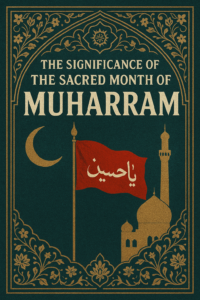
Muharram and the Beginning of the Islamic Year
Muharram is the first month of the Islamic (Hijri) calendar and marks the beginning of the Islamic New Year. It commemorates the Hijrah (migration) of Prophet Muhammad ﷺ from Mecca to Medina in 622 CE, which laid the foundation of the first Muslim community and Islamic society.
Muharram as One of the Four Sacred Months
Allah designated Muharram as one of the four sacred months, along with Dhul-Qi’dah, Dhul-Hijjah, and Rajab. In these months, good deeds are rewarded more, while sins carry greater weight, emphasizing heightened moral responsibility and self-restraint.
Why Muharram Is Called “The Month of Allah”
Muharram is uniquely honored as “Muharram-ul-Haram,” the Sacred Month of Allah. Its name signifies prohibition, meaning actions that violate sanctity are forbidden. Like Al-Masjid Al-Haram, deeds performed during this time weigh heavier on the scales.
Qur’anic Foundation of Muharram’s Sanctity
The sanctity of Muharram is affirmed in Qur’an 9:36, which states that Allah ordained twelve lunar months, four of which are sacred. Scholars such as Ibn Katheer explain that Allah selects and honors certain times, places, and actions, deserving reverence and righteousness.
Historical Role of Sacred Months
Historically, the sacred months allowed pilgrims to travel safely for Hajj without fear of war or banditry. This tradition was upheld even in pre-Islamic times and later confirmed by Islam, reinforcing Muharram’s role in ensuring peace and reflection.
The Martyrdom of Imam Hussain (RA) and Karbala
Muharram is deeply associated with the martyrdom of Imam Hussain (RA), the grandson of Prophet Muhammad ﷺ, who was martyred at Karbala in 61 AH. His sacrifice, along with his companions, symbolizes standing for truth, justice, and resistance against tyranny.
The Day of Ashura and Prophet Musa (AS)
The 10th of Muharram, known as Ashura, commemorates the day Allah saved Prophet Musa (AS) and his followers by parting the Red Sea and drowning Pharaoh. Fasting on this day is strongly encouraged and expiates sins of the previous year.
Fasting Practices in Muharram
The Prophet ﷺ fasted on Ashura and encouraged fasting on the 9th and 10th or the 10th and 11th of Muharram to distinguish the Muslim Ummah from other communities. Muharram is regarded as the most virtuous month for fasting after Ramadan.
Spiritual Renewal and Increased Worship
Muharram encourages reflection, repentance, and spiritual renewal. Acts such as fasting, prayer, Dhikr, reading the Quran, and night prayers like Tahajjud help believers reset intentions and strengthen faith.
Charity and Good Deeds During Muharram
Giving charity (Sadaqah), sponsoring orphans, helping the needy, and supporting humanitarian causes are especially rewarding during Muharram. Many Muslims also choose to give their Zakat in this sacred month due to its increased spiritual merit.
Moral Accountability and Daily Conduct
Because deeds weigh heavier during Muharram, Muslims are urged to be extra mindful in their behavior, relationships, work ethics, health, and time management. With sincere intention, even simple actions can become acts of worship.
Muharram as a Reminder for the Entire Ummah
Muharram serves as a powerful reminder of spiritual struggle, divine salvation, sacrifice, and moral courage. It is a period of mourning for some, reflection for others, and spiritual growth for all Muslims, guiding believers to begin the year with purpose and righteousness. For more information contact us.