
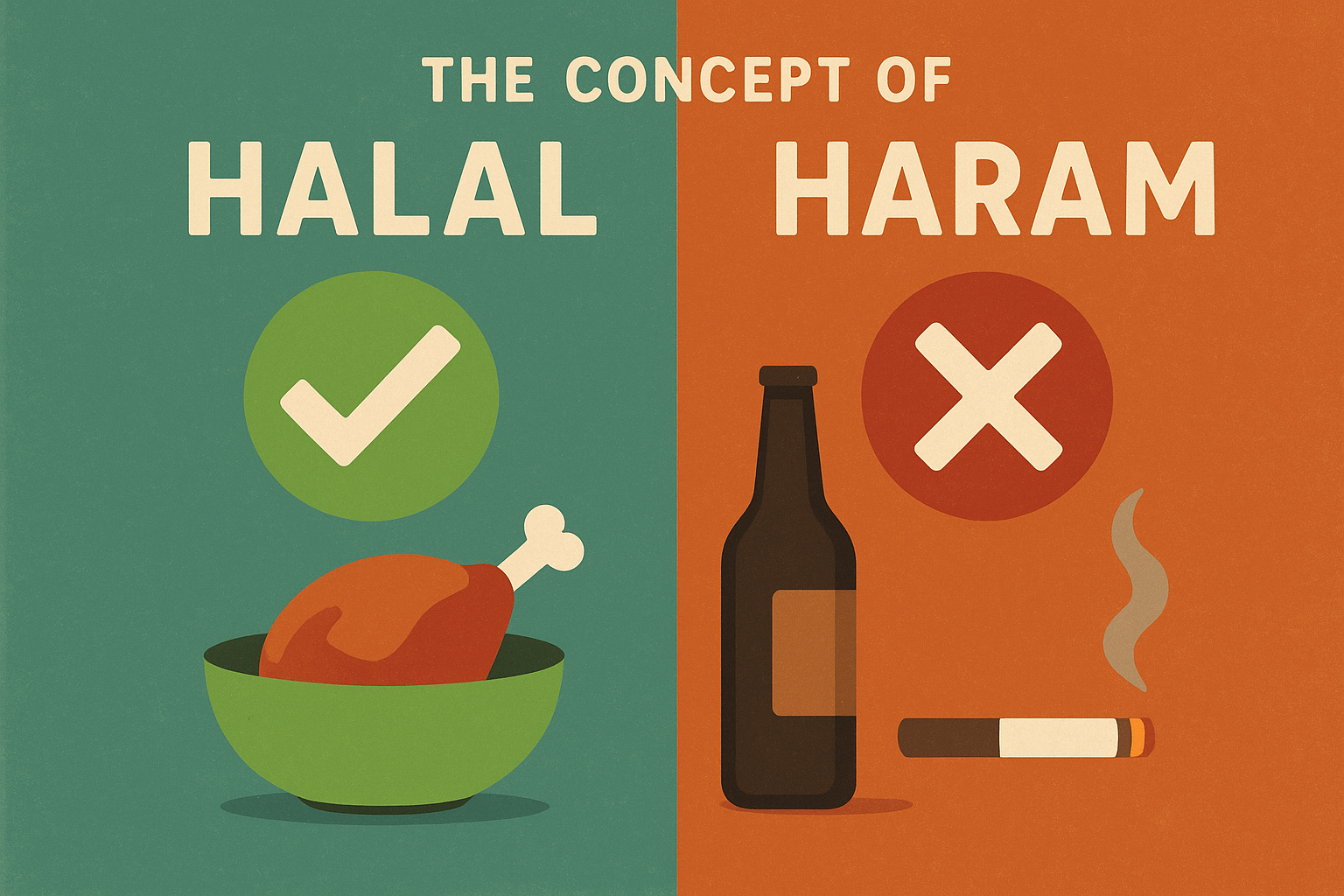
In Islam, the concepts of halal and haram are central to living a balanced and ethical life. These foundational principles govern a Muslim’s daily activities, ensuring that they align with Allah’s commandments. Halal refers to what is permissible, while haram signifies what is forbidden. These terms form the backbone of Islamic jurisprudence and are essential for seeking a fulfilling and spiritually connected life. In today’s world, where many choices may blur the line, understanding the difference between what is halal and haram is vital. Our courses and platforms such as halaloharam are designed to help Muslims navigate these rules more easily and understand how they apply in modern life, ensuring their actions align with Islamic ethics and values.
Understanding the Meaning of Halal
The term halal is derived from the Arabic root halla, which means “to make permissible.” In Islam, it refers to anything that is allowed under Shariah law. While often associated with food and drink, the concept of halal has a broader scope and applies to all aspects of a Muslim’s life, guiding actions and choices to ensure they align with what is permitted by Islamic teachings.
Halal Guidelines for Food and Drink
In Islamic dietary laws, food and drink must meet specific requirements to be considered halal. For example, meat must come from animals that are properly slaughtered according to Islamic rites, known as zabiha. Additionally, fruits, vegetables, and grains are naturally halal, as long as they are clean and free from contamination. Even water is seen as halal, as long as it complies with these Islamic standards.
Ethical Guidelines for Business Transactions
In halal business transactions, finance should be managed in a way that avoids practices like interest (or riba) and gambling (maisir). These transactions must be fair, transparent, and free from unethical actions or deception. Ensuring halal business practices aligns with Islamic principles and promotes integrity in all aspects of commerce.
Halal in Personal Behavior
The concept of halal extends beyond food and drink to include personal behavior, such as modest dress, social interactions, and even entertainment choices. All these aspects should align with Islamic ethics, ensuring that one’s actions reflect a commitment to living a life that is both ethical and halal in every way.
Halal consumption not only focuses on legality but also on the purity and morality of the food. The Quran emphasizes the importance of consuming tayyib, meaning pure and good things that are provided by Allah. By following these principles, we show our gratitude and worship for the blessings Allah has given, ensuring that what we eat aligns with Islamic values of wholesomeness and goodness.
Understanding Haram
Haram refers to anything that is forbidden or prohibited in Islam, going against the principles of halal. It includes acts explicitly prohibited by Allah (SWT) and the Messenger (peace be upon him). Engaging in haram actions leads to sin and spiritual harm, affecting not only one’s behavior but also covering various areas of life. These actions are harmful to both the individual and society.
Halal and Haram in Food and Drink
In Islam, certain foods and drinks are strictly haram, such as pork, carrion, and dead animals. Blood and intoxicants like alcohol are also prohibited, as they go against the teachings of halal dietary laws.
Haram in Business Transactions
Haram financial activities include usury, fraud, bribery, and gambling. These practices are prohibited in Islam because they are unjust and lead to harm, going against the principles of fair and honest business dealings.
Haram in Behavior and Lifestyle
Haram behaviors include immoral acts like adultery, theft, and lying. Backbiting and violence are also haram, as they harm others and go against Islamic teachings on how to live a righteous life.
Haram in Wealth and Consumption
Allah (SWT) warns in the Quran against consuming wealth unjustly, such as through bribery or by taking a portion of others’ wealth unlawfully. These acts, especially when done to aid rulers or for personal gain, are considered sin and lead to great harm.
Makruh and Mashbooh: The Gray Areas
Islam acknowledges that not everything is clearly black or white; there are gray areas in life. Actions that are makruh (discouraged) or mashbooh (doubtful) don’t fall strictly under halal or haram, but should still be approached with caution to avoid potential sin.
Understanding Makruh
Makruh refers to actions that are discouraged in Islam but not sinful unless done persistently. For example, wasting water while performing ablution is considered makruh, as it goes against the principles of moderation and respect for resources.
Mashbooh
doubtful, matters, unclear, something, halal, haram, Prophet, Muhammad, peace, advised, leave, doubt.
Core Differences Between Halal and Haram
Divine Permission vs. Prohibition
Halal: Divine Permission
Halal refers to what is permitted by Allah and the Messenger, as it aligns with divine teachings.
Haram: Divine Prohibition
Haram refers to what is explicitly forbidden by Allah and the Messenger, as it goes against divine commands.
Spiritual Consequences
Halal: Spiritual Benefits
Engaging in halal actions brings blessings and barakah, contributing to spiritual growth and well-being.
Haram: Spiritual Consequences
Engaging in haram actions leads to sin, causing spiritual harm and potential punishment in the Hereafter.
Scope
Halal: Scope in Life
Halal applies to many facets of life, including food, finance, behavior, and even dress.
Haram: Scope in Life
Haram includes forbidden foods, unethical business practices, and immoral conduct or acts that are prohibited in Islam.
Examples:
Halal: Examples in Daily Life
Drinking clean water, eating halal-certified meat, earning an honest livelihood, and giving charity are all halal actions that align with Islamic principles.
Haram: Examples in Daily Life
Consuming alcohol, engaging in theft, charging or paying interest, and committing adultery are all considered haram actions in Islam.
The Divine Purpose of Halal and Haram
The concepts of halal and haram are not arbitrary; they are based on divine wisdom. These rulings in Islam aim to protect human well-being, physically, morally, and spiritually, promoting good (maslahah) and preventing harm (mafsadah).
Health and Well-being
Halal foods are clean and beneficial, while haram items like pork and alcohol cause harm to the body. These guidelines ensure health and protect from dangerous substances.
Ethics in Daily Life
Halal business practices promote fairness and honesty, while haram activities like bribery and fraud lead to a corrupt society. These principles ensure a just and moral way of life.
Spiritual Purity in Islam
Abstaining from haram actions ensures the heart remains free from spiritual stains, bringing us closer to Allah. This practice helps maintain inner peace and purity.
Navigating the Challenges of Halal and Haram Today
In today’s globalized world, distinguishing between halal and haram can be difficult. Processed foods, complex financial products, and modern lifestyles often blur the lines, making it harder to follow Islamic guidelines.
Understanding Food Labeling Challenges
Many products contain hidden ingredients like gelatin or enzymes that are derived from haram sources, making it difficult to ensure what we consume is truly halal.
Navigating Finance in Today’s World
Engaging in conventional banking often involves interest, making it challenging for Muslims to avoid violating Islamic principles while managing finances.
Entertainment in the Modern World
Modern media often promote values that are contrary to Islamic ethics, making it essential for Muslims to seek knowledge and verify sources. In such cases, it’s important to consult qualified scholars when in doubt.
Practical Tips for Living Halal
Educate Yourself on Halal and Haram
To live halal, it’s essential to study the Quran and Hadith, and consider scholarly opinions on halal and haram. This knowledge will guide you in making better choices.
Stay Alert and Informed
Always read product labels and check for certifications to ensure it aligns with halal standards. Stay updated on new rulings to avoid unintentionally consuming haram items.
Seek Guidance from Experts
If you have any doubt about what is halal or haram, always consult a trusted Islamic scholar or your local imam for clear guidance.
Turn to Prayer for Help
Always pray to Allah for guidance and strength to avoid haram and stay on the right path in all forms of life.Always pray to Allah for guidance and strength to avoid haram and stay on the right path in all forms of life.
Final Thoughts
Understanding the difference between halal and haram is fundamental in life as it shapes choices that please Allah (SWT) and opens the door to spiritual blessings and growth. This comprehensive framework ensures Muslims live ethically, healthily, and harmoniously in society, navigating the complexities of modern life while staying true to their faith. It removes any barrier to success in this life and the Hereafter, guiding believers to make informed, conscious decisions and grant them the wisdom and strength to choose the right path. Striving to stay far from haram brings us closer to the pleasure of Allah and leads to a fulfilling life. Ameen. For any questions, feel free to contact us.