
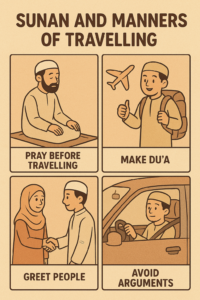
Travel in Islam: More Than Movement
Traveling in Islam is not only about reaching a destination; it is a form of worship when done with Sunnah, good intentions, and remembrance of Allah. Through my experience teaching Our Courses—whether learners join via a Free trail or continue with a Monthly fee—I’ve seen how understanding travel manners changes how people view even routine journeys. Islam turns travel into a meaningful act connected to faith, patience, and gratitude.
Preparing the Heart Before the Journey
Before setting out, a traveler should Fulfill obligations, settle debts, and ensure family is provided for. Seeking forgiveness from relatives and loved ones clears the heart of burdens. Performing Istikhara, praying two rak’ahs, and traveling with a righteous purpose (Niyyah) invites guidance and protection from Allah.
Choosing the Right Time to Travel
The Noble Messenger ﷺ preferred beginning journeys on Thursday, a practice supported by Sayyiduna Ka’b bin Malik (رَضِیَ اللہُ تَعَالٰی عَنْہُ) in Sahih Bukhari. The Sunnah teaches that timing carries blessing, and even this choice reflects trust in divine wisdom.
Sunnah Acts Before Leaving Home
When Leaving Home, the traveler should Say Bismillah, place trust with tawakkaltu ‘ala Allah, and seek protection through supplication. Saying Allahu Akbar when mounting a vehicle or animal reminds us that all movement happens by Allah’s permission. Entrusting family, wealth, and property to Almighty Allah brings peace of mind.
The Importance of Companionship
Islam discourages traveling alone. Choosing good company, appointing a leader in a group, and traveling with people of character ensures safety, unity, and better decision-making. This Sunnah reflects Islam’s emphasis on responsibility and cooperation.
Travel by Night: A Prophetic Preference
The Prophet ﷺ encouraged traveling by night, as narrated by Anas (رَضِیَ اللہُ تَعَالٰی عَنْہُ) in Sunan Abi Dawood, explaining that the earth is folded and traversed more easily. This teaching highlights practical wisdom alongside spiritual guidance.
Worship Through Movement During Travel
During the journey, worship continues through remembrance. Saying Allahu Akbar when going uphill and Subhan Allah when going downhill, making frequent Du’a, and engaging in Zikrullah keep the traveler spiritually protected. Staying mindful, lowering the gaze, and avoiding extravagance reflect inner discipline.
Prayer Concessions for the Traveler
Islam grants ease through Salatul Musafir, allowing Qasr (shortened prayers) for journeys over 80km. Accepting these concessions is itself an act of obedience, showing gratitude for Allah’s mercy.
Helping Others Along the Way
Helping a needy traveler or sharing provisions carries immense reward. As taught through Abu Saeed Khudri (رَضِیَ اللہُ تَعَالٰی عَنْہُ), generosity during travel reflects strong faith and compassion, especially since travelers themselves face vulnerability.
Protection, Dhikr, and Supplications
Reciting travel duas, engaging in Dhikr, and seeking Allah’s protection keep angels as companions instead of Satan, as mentioned in Al-Hisn Al-Hasin. Travel becomes unsafe spiritually when remembrance is replaced with heedlessness.
Returning Home With Gratitude
Once the purpose is fulfilled, the Sunnah teaches us to hasten home. Bringing even a small gift, offering two Rak’at Nafl Salah in the Masjid, and thanking Allah complete the journey with humility and gratitude, following the example of the Messenger ﷺ.
Travel as a Reflection of Faith
Every journey reflects a Muslim’s values, character, and beliefs. When travel follows Sunnah, it becomes a bridge between cultures, a source of personal growth, and a spiritually enriching experience rooted in Islamic principles.