
Understanding ADHD?
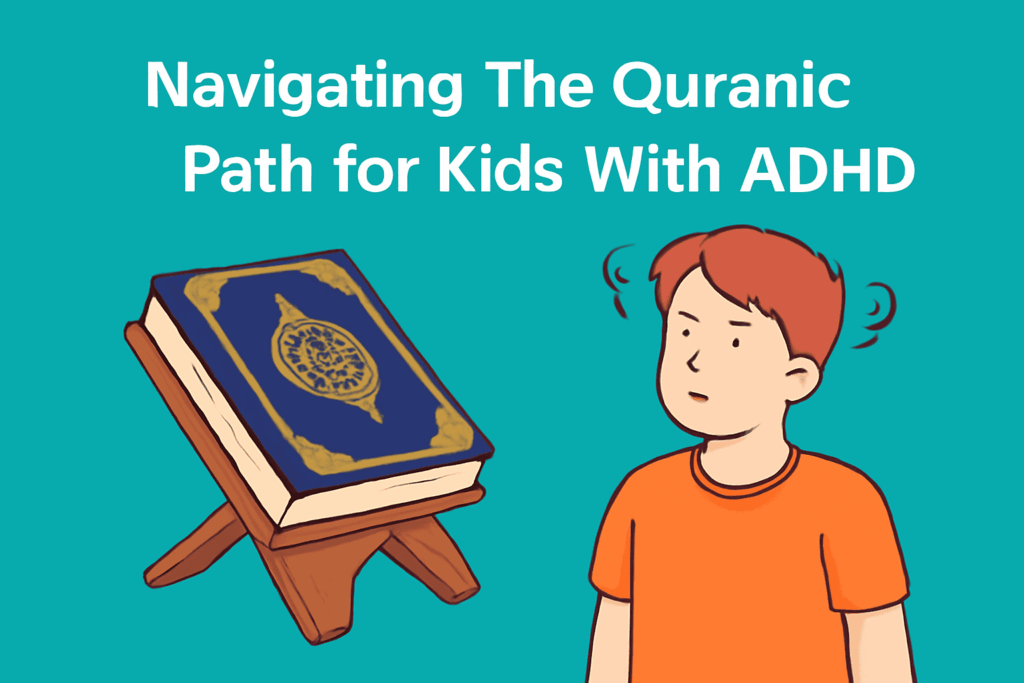
Attention Deficit Hyperactivity Disorder (ADHD) is a neurodevelopmental disorder that affects children’s ability to focus and control impulses. Kids with ADHD often face challenges in regulating their energy levels and staying focused, making tasks like teaching the Quran particularly difficult. However, with the right methods and insights, learning can be both accessible and enjoyable for them. The noble endeavour of teaching them the Quran requires adapting traditional methods to suit their needs, ensuring that their learning experience is effective. As a parent and educator, I’ve found that embracing flexibility and patience in the approach makes all the difference in guiding children with ADHD through this important task. Every step toward focus and impulse control brings them closer to understanding the Quran in a way that works for them.
Challenges Faced by Kids with ADHD
Overcoming Attention Challenges in Quranic Learning
Kids with ADHD often struggle to sustain attention for extended periods, making Quranic lessons particularly challenging. Conventional teaching methods, like long periods of reading and memorization, can lead to frustration and disinterest. To engage these children, it’s essential to adapt lessons, keeping them short and interactive to avoid overwhelming them. From my experience, breaking lessons into smaller, manageable chunks has been a game-changer for maintaining their focus.
Managing Hyperactivity and Impulse Control
Children with ADHD often face impulsivity and hyperactivity, making it difficult for them to sit still or concentrate. In traditional classroom settings, this can lead to restlessness and a lack of focus. To help them, it’s important to adapt the learning style to be more conducive to their needs, allowing breaks and movement during lessons.
Addressing Diverse Learning Styles
Children with attention deficit hyperactivity disorder often have diverse learning styles, which can make a one-size-fits-all approach ineffective. They may respond better to visual stimuli or hands-on activities. It’s crucial to cater to their individual needs, ensuring the learning environment is tailored to help them benefit from the materials in ways that work best for them.
Overcoming Executive Functioning Challenges
Children with ADHD often face executive functions challenges, such as difficulty in organization, planning, and time management. They may struggle with keeping track of assignments and managing time effectively, which can make staying organized in Quranic studies a real challenge. Adapting teaching methods to address these obstacles can make a big difference in their learning process.
Issues Faced in Teaching through Conventional Methods
The Challenge of Rote Memorization
Traditional Quranic teaching methods often rely on rote memorization, which can be challenging for children with ADHD. The repetitive nature of memorization can lead to boredom and disengagement, making it hard for them to stay focused. In my experience, adapting methods to be more interactive can help keep them engaged.
The Need for Interactive Learning
Conventional Quranic education often faces a lack of interactive and engaging elements, which are crucial for capturing attention in children with ADHD. The passive learning methods typically used don’t effectively stimulate their minds, making it harder to engage them effectively. From personal experience, adding interactive activities can make a big difference.
The Role of Technology in Teaching
Technology is an integral part of modern education, but conventional methods of teaching the Quran often fail to leverage its benefits. Interactive apps, educational games, and multimedia resources can enhance the learning experience, especially for children with attention deficit hyperactivity disorder. From experience, integrating these tools makes learning more engaging and effective.
Adapting Teaching Methods for Children with ADHD
The Power of Short and Varied Lessons
Breaking down Quranic lessons into shorter, more manageable segments with varied activities helps maintain attention and interest. Changing focus frequently keeps kids engaged and avoids boredom.
The Impact of Visual Aids
Using visual aids like images, charts, and videos can complement verbal teachings and provide visual stimuli to enhance understanding and retention for children with attention deficit hyperactivity disorder.
The Benefits of Hands-On Activities
Integrating hands-on activities like creating crafts or role-playing exercises into the learning process can make Quranic stories more engaging and bring teachings to life for children with ADHD.
Using Interactive Learning Apps
Leverage educational apps designed to teach the Quran interactively by incorporating gamification into the learning process. These apps make the experience enjoyable and engaging, especially for children with ADHD.
Creating a Flexible Learning Environment
Creating a flexible learning environment that accommodates the unique needs of children with ADHD can include movement breaks and alternative seating arrangements to allow for more physical activity, helping them stay focused.
Positive Reinforcement
Implement a system of positive reinforcement to acknowledge and reward a child’s progress. Offering positive feedback can boost their confidence and motivation, encouraging them to continue with their Quranic studies.
Creating Individualized Learning Plans
To recognize and cater to the unique needs of children with ADHD, it’s essential to develop personalized learning plans that highlight their strengths and address their weaknesses. This helps in fostering a supportive and inclusive educational environment where ADHD kids can understand and learn more effectively. By devising tailored learning plans, you can provide a short window of focus, allowing them to function optimally in their learning process.
Building Trust and Rapport
To develop a strong, trusting relationship with kids with ADHD, you must require special bonding and show understanding as you teach. This relationship helps them feel more secure and motivated to learn.
Simplify Language
When you teach the Quran, adapt your language to be straightforward and concise, helping break down complex concepts into smaller, manageable parts for better understanding.
Interactive Learning
Utilize interactive methods like role-play and hands-on activities such as arts and crafts to help children connect with Quranic stories and teachings more effectively.
Social Stories
Create social stories as visual narratives to explain Quranic principles and stories in a way that is clear and simple for better understanding.
Emphasizing Patience and Flexibility
Teaching the Quran to children with attention deficit hyperactivity disorder (ADHD) requires patience and flexibility, as kids with ADHD may experience mood swings and need extra support from teachers.
Benefits of Quranic Education for Kids with ADHD
Fostering Spiritual Connection
Learning the Quran helps kids with ADHD form a deep spiritual connection, engage with their faith, and promote inner peace while providing a strong sense of belonging within the religious community.
Improving Concentration and Focus
The structured nature of Quranic learning can help improve an autistic child’s concentration and attention span, strengthening skills that can be applied in other areas of their lives.
Emotional Regulation
Through Quranic education, children can learn the principles of patience, compassion, and empathy, which are key in promoting emotional regulation and self-control.
Creating Supportive Educational Environments
Effective Quranic education for autistic children requires strong collaboration between parents, teachers, and the community to build a supportive learning environment.
Teacher Training
Educators working with autistic children should receive training on autism awareness and strategies for effective teaching to ensure they provide the best support for these kids.
Parent Involvement
It’s important to encourage parents to be actively involved in their child’s Quranic education. This collaboration helps in understanding their unique needs and tracking their progress.
Building Inclusive Communities
Mosques and religious institutions can strive to be more inclusive by offering resources and support to autistic children and their families, ensuring everyone has access to Quranic education.
Conclusion
When it comes to teaching the Quran to kids with attention deficit hyperactivity disorder, it’s important to adopt a thoughtful, individualized approach. This approach acknowledges their unique learning styles and challenges, ensuring the process is not only effective but also engaging. By leveraging the structured nature of the Quran, we can incorporate repetition and create a multisensory learning environment that caters to visual, auditory, and kinesthetic elements. This holistic approach helps address the diverse needs of these children, enhancing their cognitive and emotional development while fostering a love for learning. Educators and parents can create a positive, enriching experience that strengthens their connection with the Quran and nurtures a deeper faith.
By focusing on inclusive learning environments, we can draw out the inherent advantages in every child, addressing their strengths and challenges. Embracing a holistic view allows for a deeper connection with both the content and the process, helping these children grow in their understanding of the Quran. This method also allows educators and parents to encourage emotional development while addressing cognitive hurdles. With visual, auditory, and kinesthetic elements at play, we ensure the children remain engaged and motivated, turning the learning experience into something both enjoyable and spiritually rewarding. Contact us if you need more guidance on how to prepare yourself for the Month of Ramadan, ensuring a fulfilling learning journey for both kids and parents.