
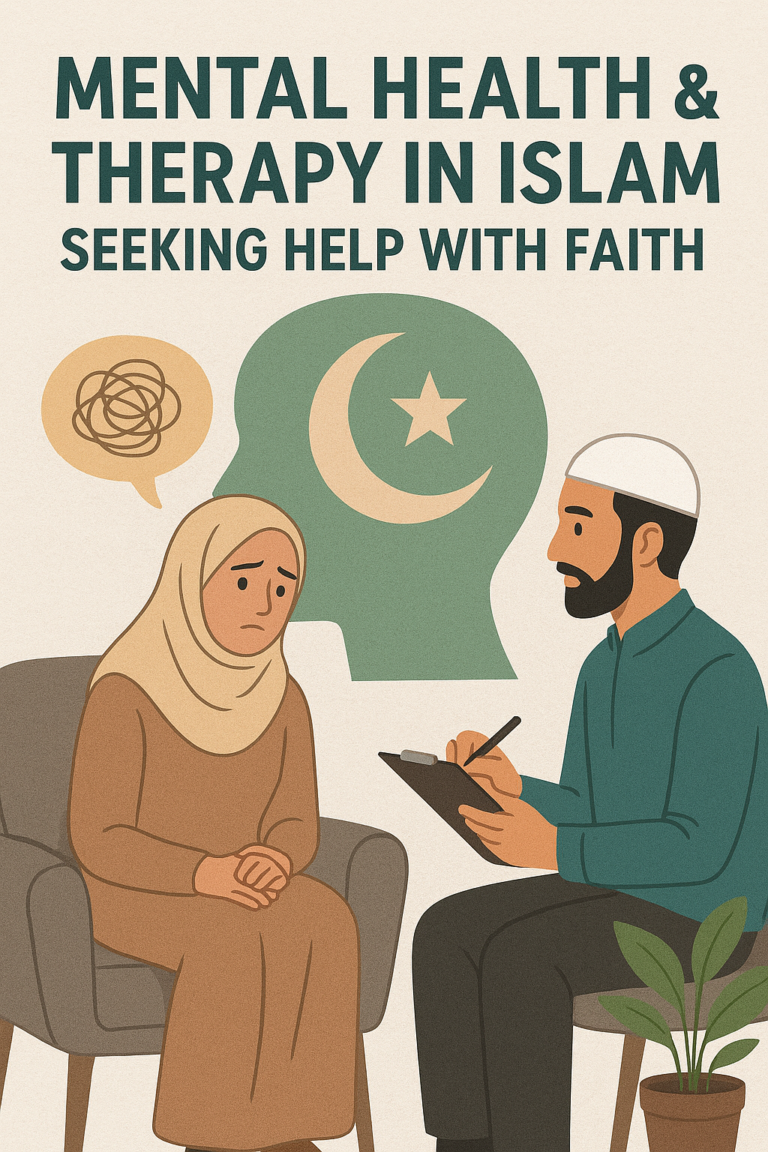
Understanding Mental Health Through an Islamic Lens
Mental health is a vital aspect of overall well-being, yet it remains stigmatized in many Muslim communities. From my experience working closely with individuals and families, I have seen how silence around anxiety, depression, and emotional pain leaves people feeling isolated and invalidated. Islam views the human being as a balance of mind, body, and soul, and caring for mental health is part of honoring that balance.
Allah as the Ultimate Healer, and the Role of Means
In Islam, Allah is the Healer and the ultimate source of cure, yet He also provides remedies, encouraging the use of means. The Quran and Sunnah offer guidance, purpose, comfort, and spiritual strength, reminding us that turning to treatment does not weaken faith. Instead, it reflects trust in Allah’s plan while engaging responsibly with available support.
Spiritual Tools for Emotional Strength
Practices like Prayer, Salah, Dhikr, Dua, and Supplication are vital tools for stress management, inner peace, and connecting with God. Islam teaches that Hardship is always paired with Ease (94:6), cultivating hope, resilience, patience, Sabr, and Tawakkul even during distress, anxiety, or depression. These spiritual tools calm the mind, soften the heart, and restore emotional stability.
Therapy as a Halal and Faith-Aligned Practice
From an Islamic ruling, Therapy as an Islamic Practice is Permissible, Halal, allowed, and encouraged, just like medical treatment for physical illness. The Prophet Muhammad (PBUH) taught in Sahih Bukhari that every disease has a remedy, affirming that seeking professional care is part of responsible faith. Therapy is a Means, Not a Replacement for belief, but a way of utilizing available resources wisely.
Ethical Therapy and a Holistic Approach
Islam encourages working with Ethical Therapists and qualified professionals whose methods respect Islamic teachings, avoid un-Islamic concepts, and support well-being through a holistic approach. Modern psychology, CBT, and other therapeutic techniques can combine with timeless wisdom, Hadith, gratitude, Shukr, forgiveness, and positive coping strategies to heal emotional wounds while staying rooted in faith.
The Power of Community and Support Systems
A healthy Community, Ummah, family, and strong relationships foster empathy, shared strength, and compassion. Support systems help believers acknowledge struggles, seek Professional Help, and feel safe asking questions without fear of judgment. Breaking the stigma requires leaders, families, and individuals to normalize these conversations.
Learning, Growth, and Faith-Based Support
For those ready to deepen understanding and take action, Our Courses provide structured, faith-centered guidance with a Free trail and a simple Monthly fee. These programs are designed to Build, connect, and ground individuals on a balanced path of spirituality, psychology, and healing—honoring both faith and mental health together.