
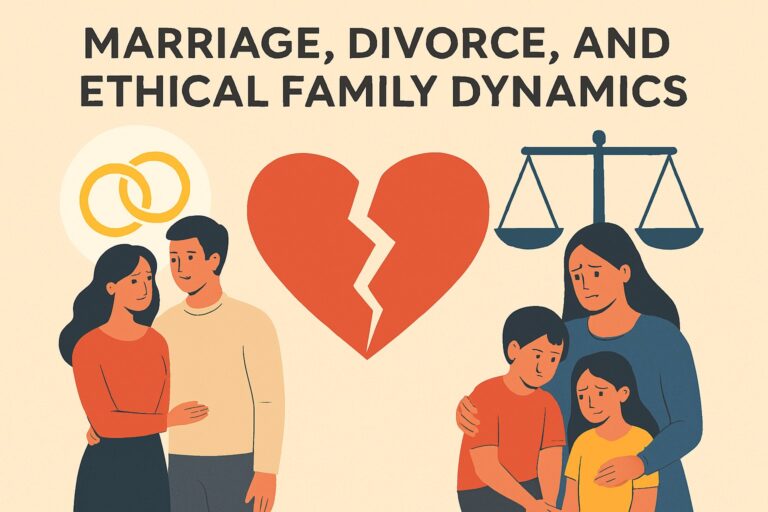
The Foundational Role of Marriage
Marriage is a foundational institution that plays a central role in society, providing companionship, emotional support, and nurturing. It ensures stability for future generations while fostering trust, care, and shared responsibility within families.
Marriage in Saudi Arabia
In the Kingdom of Saudi Arabia, especially Makkah Al-Mukarramah, cultural norms and religious influences deeply shape marital relationships. These traditions guide the expectations of families, influencing both men and women in navigating marital dynamics.
Rising Divorce Trends
The rising trend in divorce rates reflects evolving social changes, economic changes, and shifts in modern family life. Increasing individual liberty, changing gender roles, and societal acceptance of marital dissolution contribute to this transformation.
Causes of Divorce
Financial factors, economic pressures, and employment patterns are key causes of divorce. Additionally, societal norms, gender-related aspects, and behavioral conflicts often lead to marital instability, requiring targeted interventions.
Effects on Individuals
Divorce impacts individuals emotionally, psychologically, and physically, affecting mental health, emotional health, physical health, and overall well-being. People often experience stress, feelings of loss, and challenges in maintaining familial relationships.
Family Members and Children
Family members, particularly children, face scholastic disruptions, developmental setbacks, and emotional challenges. Parental divorce can lead to long-term psychological consequences, making support systems and counseling crucial.
Community and Societal Impact
Communities experience shifts in social norms, societal stigma, and collective health outcomes due to marital transitions. Community health, support networks, and legal institutions are often affected by changes in family dynamics.
Role of Policymakers
Policymakers and community leaders are essential in designing informed strategies to mitigate negative consequences of marital dissolution. They address socioeconomic factors, promote family stability, and implement preventive measures to strengthen families.
Healthcare Professionals’ Contribution
Healthcare professionals play a vital role in improving mental well-being, emotional well-being, and physical well-being. Through support interventions, counseling, and legal assistance, they help families cope with the challenges of divorce.
Importance of Education and Awareness
Programs like Our Courses, with a Monthly fee and a Free trail, enhance relationship education, communication, and coping mechanisms. They equip individuals with skills to navigate marital dynamics, family support, and preventative strategies.
Socioeconomic Factors
Socioeconomic factors, financial instability, and employment patterns heavily influence marital stability. Families with access to resources, education, and social capital are better able to manage modern family life challenges.
Cultural and Religious Norms
Cultural norms, religious norms, and Islamic traditions shape marital expectations and ethical family dynamics. These elements guide behavior, influence marital relationships, and provide a framework for societal impact.
Psychological Consequences
Divorce often results in psychological consequences, emotional challenges, and social perceptions that affect individual experiences. Culturally sensitive interventions and region-specific insights are key to mitigating these effects on families.
Resilience and Holistic Approaches
Building resilience through a holistic approach and targeted support systems strengthens collective health outcomes. Programs that address mental health, emotional health, and physical health improve family stability in evolving social landscapes.
Global Perspectives and Research
Global patterns, localized studies, and exploratory sequential design reveal inter-generational effects of marital dissolution. Understanding these trends helps societies implement preventive measures, promote well-being, and support familial relationships effectively.