
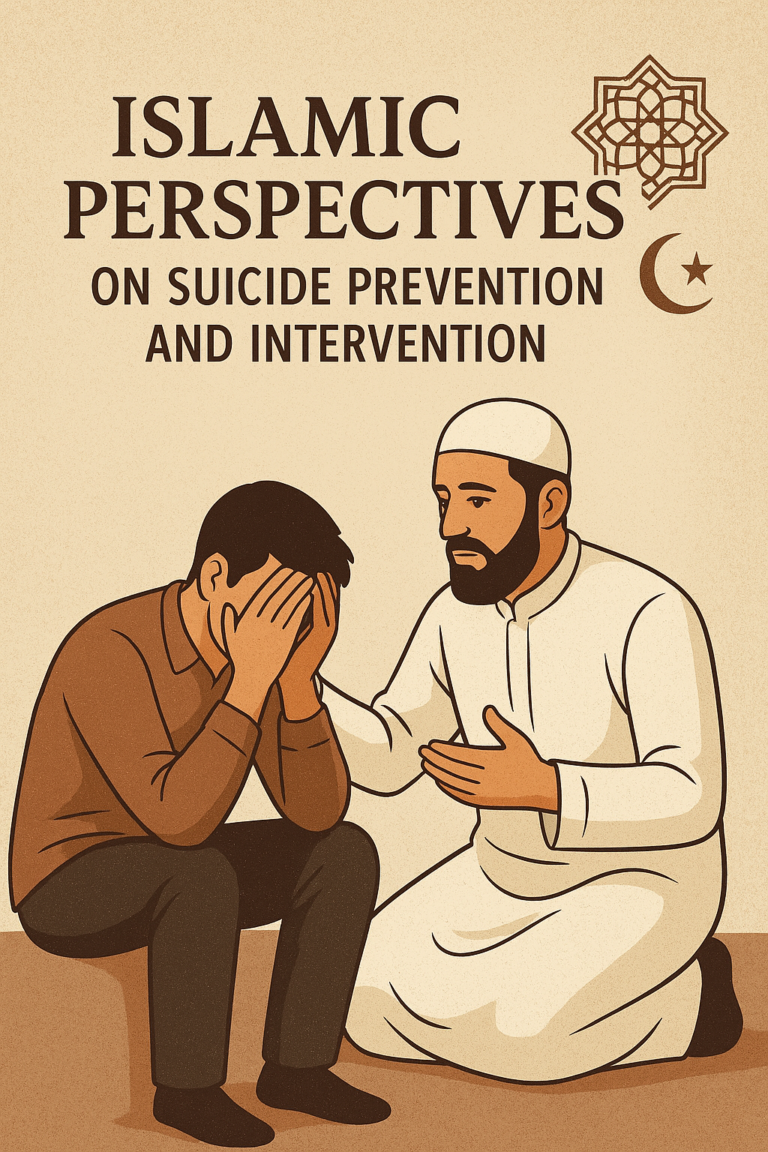
Life as a Sacred Trust from Allah
Through years of engagement with mental, health, professionals and community spaces, I have learned that Islamic perspectives on suicide start with Islam viewing life as a sacred, entrusted gift from Allah, SWT, swt, and God. The Quran, Qur’an, Sunnah, hadith, and Hadiths clearly teach Muslims that to kill one’s own soul without right is forbidden, a sin, and even a cardinal violation tied to Paradise, mercy, and divine will. This foundation establishes responsibility, preservation, and the sanctity of lives, reminding us that our existence, destiny, and acts are not owned but entrusted.
Mercy, Nuance, and Human Vulnerability
Islam does not ignore human weakness. Classical and contemporary scholars and scholars’ writings recognize nuance, especially when psychological and emotional distress, sadness, depression, anxiety, bipolar disorder, PTSD, and posttraumatic stress leave a person unable to act as a fully responsible agent. In such cases, compassion, empathy, care, support, guidance, wisdom, healing, hope, resilience, fortitude, peace, and wellbeing must take precedence over blame or judgment.
Spiritual Tools for Inner Strength
From lived experience, I have seen how faith-based practices can stabilize lives in crisis. Dua, Salah, Dhikr, prayer, prayers, forgiveness, belief, obedience, remembrance, spirituality, and trust through Tawakkul help people reconnect with meaning, restore hope, and build emotional balance while navigating hardship, struggles, and challenges.
Interconnectedness Within the Ummah
The Ummah functions like a single body: when a limb aches, the whole system experiences fever and sleeplessness. Interconnectedness means suicidal thoughts, ideation, self-harm, hopelessness, loneliness, isolation, and crisis are never individual problems alone. They affect families, friends, members, communities, and wider humanity, demanding collective concern, listening, and care.
Root Causes and Risk Factors
In practice, these struggles are shaped by biological, social, and environmental factors such as trauma, abuse, loss, war, wars, conflict, displacement, refugee camps, immigration, unemployment, limited water, shelter, and access, alongside discrimination, gender-based pressure, Islamophobia, stigma, and stigmatizing attitudes. These conditions intensify psychological illnesses and deepen vulnerability.
Prevention, Intervention, and Postvention Strategies
Effective prevention, intervention, and postvention require structured action. This includes primary, secondary, and tertiary preventative recommendations, strong education, training, workshops, seminars, careful assessment and assessments, identifying risk, methods, hazards, and protective variables, supported by coordinated resources, initiatives, outreach, and open communication.
Role of Professionals and Community Leaders
Mental health services, counseling, psychotherapy, and psychiatric therapies must be culturally and religiously appropriate. Imams, leaders, practitioners, and professionals need awareness, humility, and training to recognize red flag moods and actions, respond with empathy, and guide people toward a healthier future.
Digital Platforms and Accessible Support
Today, online and digital platforms play a pivotal role in expanding access to care. Institutions like Islamic Quran Academy alongside partners such as the Red, Crescent, provide holistic, research-based, and compassion-based support. Through Our Courses, a reasonable Monthly fee, and a Free trail, individuals, parents, and survivors can seek immediate help, reach a hotline, Lifeline, or Crisis service, dial U.S. National numbers, and take an important step toward addressing a preventable tragedy while strengthening unity, brotherhood, sisterhood, and a life-affirming, humanity-saving, empathy-driven path forward.