
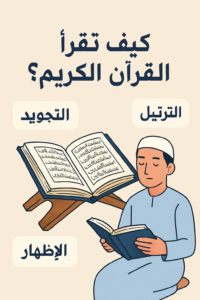
Start With the Foundations of Arabic
To read the Quran correctly in Arabic, the first step is mastering the alphabet, its sounds, shapes, and how letters connect, change, and form words. Learning basic vowel diacritics such as Harakat, Fatha, Kasra, Damma, and Sukoon helps improve pronunciation and clear articulation. Using foundational texts and resources like Noorani, Qaida, Nurool, and Bayan builds strong familiarity with word formation. Since Arabic has twenty-eight unique letters with distinct sound, unlike English, consistent writing by hand, audio recordings, and tutorials make learning feel like second nature, especially with guidance from an Arab Ayat institute, teacher, or mentor.
Practice Recitation the Right Way
When you start small with short Surahs and chapters, your confidence grows naturally. Read aloud, slowly, without rushing, enunciating each word-by-word. Listen and imitate expert reciters and qaris like Qari Mishary Alafasy, focusing on rhythm, intonation, melody, and voice modulation. Record yourself, compare with a professional, identify errors, and practice consistently in daily sessions, which is far more effective than infrequent long study periods.
Learn and Apply Tajweed Rules
Understanding Tajweed rules is essential for proper and eloquent recitation. This includes Makharij (points of origin in the mouth and throat), Sifaat (heavy Tafkhim and light Tarqeeq), Khalalah, and Prolongation (Madd, elongation). Learning Noon, Sakinah, and Tanween with a qualified instructor provides personalized feedback, prevents ingraining mistakes, and guides learners through complex rules with clarity.
Build the Right Mindset and Intention
Always set intentions (Niyyah) before reciting, remember Allah, and reflect on the meaning to truly understand the text. The Quran carries divine depth, beauty, and wisdom, revealed over fourteen hundred years. This approach nurtures devotion, spiritual rewards, self-discipline, mindfulness, growth, peace, and a lasting connection to the Quran.
Use Modern Tools and Structured Learning
Today, technology, online platforms, apps, interactive exercises, flashcards, dictionaries, and communities make learning more accessible. These tools support fluency, memorization, and comprehension while keeping learners motivated. You can also benefit from Our Courses, designed with a flexible Monthly fee and a Free trail, to assist learners at every stage of their journey toward confident and accurate Quran recitation.