
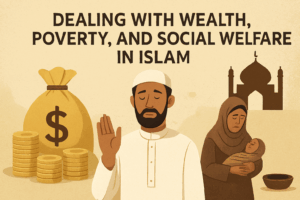
Zakat: Obligatory Charity
Zakat is an obligatory pillar of Islam, where Muslims give a fixed percentage of 2.5% of their surplus wealth to eligible poor under specific categories. Its purpose is to redistribute wealth fairly and alleviate poverty, promoting social well-being. Deducting the amount from earnings is not just financial but a spiritual duty, purifying the heart from greed and material attachment.
Sadaqah: Voluntary Acts of Charity
Sadaqah is a voluntary form of charity that goes beyond Zakat. Highly encouraged, it allows believers to help those in need, fostering a culture of generosity. Personal experiences show that even small acts, like feeding the hungry or supporting orphans, generate immense blessings and spiritual satisfaction.
Ethical Business and Circulation of Wealth
Islam prohibits exploitative practices like usury (riba) and unjust accumulation, while promoting fair trade and ethical business dealings. Believers are encouraged to invest, circulate, and generate jobs, rather than hoard wealth, ensuring a healthy economic system that benefits community members.
Avoiding Waste and Extravagance
Prohibition of waste, extravagance, and wastefulness emphasizes responsible spending. Resources should be used to support the community, protecting vulnerable groups like orphans, widows, and the elderly, while maintaining a balance between personal comfort and societal responsibility.
Holistic Social Welfare
A holistic approach combines direct charitable aid with broader programs that support self-sufficiency. Zakat-funded initiatives include financial assistance, education, skills training, and healthcare, empowering people to become self-sufficient while preserving dignity.
Contentment and Psychological Benefits
Contentment is a key principle in handling wealth. By fostering gratitude in any situation and viewing hardships as a test from Allah, believers can cope without becoming dissatisfied. This psychological approach ensures that true wealth is measured by heart and faith, not material possessions.
Supporting the Vulnerable
Islamic teachings place special emphasis on providing assistance to vulnerable groups, including orphans, widows, and the elderly. Historical examples, such as the care provided by Sahabah, highlight the moral duty of the community to ensure equity and protection for the needy.
Combating Economic Injustice
The system of Zakat and Sadaqah combats unjust wealth accumulation, riba, and exploitation. By promoting fair trade, ethical investment, and money circulation, Islam ensures economic justice, reducing inequalities in society.
Empowerment Through Education and Skills
Beyond immediate aid, Islam encourages long-term empowerment through financial literacy, education, and skills training. Programs funded by Zakat or community donations equip individuals to earn, invest, and contribute to a thriving economy, fostering independence and self-sufficiency.
Practical Application in Modern Life
From my experience, initiatives like Our Courses with monthly fee or free trial options combine religious principles with practical tools to uplift communities. Encouraging ethical business and social welfare ensures a balanced economy where wealth serves both individual and community needs.
Spiritual Perspective on Wealth
Islam teaches that wealth is a trust from Allah. Contentment, gratitude, and responsible spending protect believers from greed and harm, emphasizing the spiritual dimension of financial responsibility. True success lies in achieving balance, fulfilling obligations, and helping those in need.